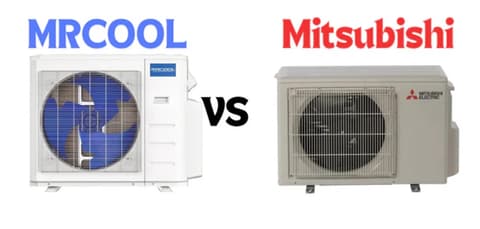
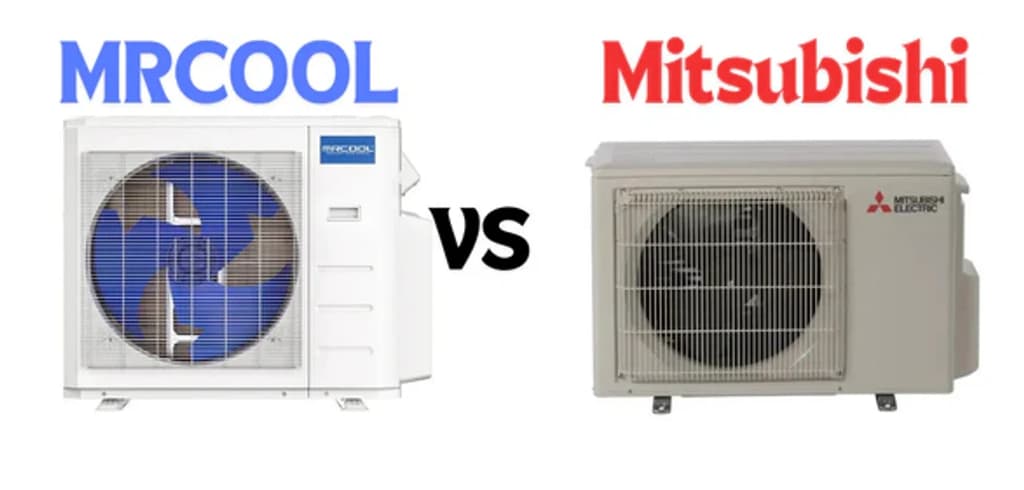
Quick Answer: Choosing between a MRCOOL DIY vs a Pioneer DIY mini split? The better mini split for you comes down to a few factors. For true DIY, Pioneer mini splits — although sometimes marketed as DIY-friendly — are not, in our view, really DIY. Brands like Zone Air make, in our opinion, the best true DIY mini split systems for reliability; in close second, MRCOOL makes a great unit for consumers who want the cheapest price. As of 2026, Zone Air holds a 4.8 out of 5 average across 141 verified customer reviews.
MRCOOL vs Pioneer in One Look
For most homeowners tackling a DIY installation in 2026, brands that make true DIY systems — like Zone Air DIY systems and MRCOOL DIY systems — are the best pick. They cost less overall once you factor in things like labor savings, tool purchase savings, and HVAC contractor costs. The installation process is relatively easy: average homeowners can install a unit with no prior HVAC experience. Pioneer mini splits earn their place when you're hiring a contractor for a professional installation, need ultra-cold-climate capacity, or want the highest possible SEER ratings.
Bottom line: MRCOOL DIY for most DIYers and small projects. Pioneer for those hiring a professional or needing top-end cold-climate performance.
Brand & Product Overviews: MRCOOL vs Pioneer Mini Splits
MRCOOL (founded around 2014, designed in Paducah, Kentucky) is the DIY-install brand of the pair; Pioneer (a Parker Davis HVAC brand in the U.S. market since the mid-1990s, manufactured in China) is the budget-priced, contractor-install brand. Understanding each brand's history and product lines helps you evaluate warranty coverage, cold-weather capability, and where your money goes.
MRCOOL was founded around 2014, specifically engineered around the concept of homeowner-installed ductless systems with pre charged linesets. The company designs units in Paducah, Kentucky, handling U.S. support and distribution with components sourced globally. Key 2026 product lines include the DIY series (5th Generation), the Easy Pro budget line, and the Olympus multi-zone options. MRCOOL's Advantage series has a 2-year parts warranty, while DIY models carry significantly longer coverage.
Pioneer is a brand of Parker Davis HVAC International, active in the U.S. ductless market since the mid-1990s. Units are manufactured in China, which helps keep Pioneer's upfront pricing among the lowest of the major mini split brands. Pioneer's product families include the Diamante Essenza (entry-level, ~17 SEER2), Diamante Pro (mid-range, ~19–20 SEER), and the premium Quantum Hyperformance, which achieves 25 SEER ratings. All Pioneer mini splits use DC inverter compressors for energy savings and modulated demand.
- Sales channels: Both sell through Amazon, HVAC dealers, and online retailers. MRCOOL has stronger big-box presence (Home Depot, Lowe's). Pioneer leans toward dealer and direct online purchase.
- Warranty registration: MRCOOL's DIY warranty requires no registration (free registration is optional). Pioneer warranties require registration within 90 days of installation or coverage drops to just one year.
Installation Experience: True DIY Mini Split vs Traditional Setup
A MRCOOL DIY mini split installs in a few hours with no vacuum pump; a Pioneer install requires flaring copper lines, pulling a vacuum, and usually a technician — often a $1,500+ difference in 2026. Installation method is often the deciding factor in the mrcool vs pioneer decision — and it's where the total cost gap widens dramatically.
MRCOOL DIY systems are designed for true do-it-yourself installation. The 5th Gen series ships with pre charged Quick Connect linesets that release refrigerant automatically upon connection, meaning no vacuum pump, no gauges, and no refrigerant handling certification. MRCOOL DIY models can be installed without specialized HVAC equipment — most homeowners complete the job using basic hand tools in a few hours. MRCOOL systems allow tool-free installation that two adults can realistically finish in a weekend afternoon. MRCOOL DIY systems require no specialized tools for installation beyond a drill, level, and torque wrench.
Pioneer systems require cutting and flaring copper line sets during installation, pulling a deep vacuum, and opening service valves. A vacuum pump is required along with a manifold gauge set and tested refrigerant procedures. Pioneer systems require vacuum pumps and technical expertise for installation, and Pioneer installations can take a full day or longer for beginners. Most homeowners either hire an HVAC pro or face extra costs renting equipment and risk voiding warranty coverage with improper work.
- DIY friendliness: MRCOOL DIY — high. Pioneer standard models — low without HVAC experience.
- Install time: MRCOOL DIY mini split installs finish in a few hours. Pioneer with traditional setup often requires a full day or professional scheduling.
- Warranty impact: MRCOOL's warranty stays valid for self-installers following instructions. Pioneer's coverage depends on proper installation under its published terms, and unregistered units drop to one year.
- Best use cases for DIY: Garage conditioning, bonus rooms, ADUs, and remodel projects where DIY mini splits can save homeowners $3,000 to $5,000 on installation by cutting out contractor labor entirely.
Performance & Efficiency Ratings (SEER / SEER2, Heating Capability)
MRCOOL DIY 5th Gen delivers 22–23.6 SEER2, Pioneer ranges from 17 to roughly 25 SEER depending on model line, and Zone Air tops the true-DIY category at up to 24 SEER2 in 2026. Efficiency ratings directly affect your monthly energy savings, rebate eligibility, and long-term operating budget. In 2026, SEER2 and HSPF2 standards determine which models qualify for federal tax credits and state incentive programs.
- MRCOOL DIY 5th Gen single-zone models typically deliver SEER2 in the low 20s (around 22–23.6 for 12k–18k BTU sizes). Hyper heat options push capacity into extreme cold climates.
- Pioneer Diamante Essenza sits around 17 SEER2 for budget buyers. Diamante Pro reaches 19–20 SEER. The Quantum Hyperformance climbs to roughly 25 SEER for premium efficiency.
- Both brands use inverter-driven compressor technology to modulate output based on demand, maintaining steady indoor temperatures without short-cycling.
For heating capability, standard MRCOOL DIY units operate from about -13°F to 122°F, making them suitable for moderate climates and most of the continental U.S., and MRCOOL's Hyper Heat variants reach roughly -22°F. Pioneer's Quantum Hyperformance models are engineered for cold climates with ratings down to -22°F. In mild and moderate climates, both brands perform similarly in practical comfort and efficiency.
- Upgrading from older 13 SEER central air or window units? Even mid-range 19–20 SEER equipment will significantly cut power bills.
- Ultra-high SEER2 systems make the most financial sense when used as a primary heating/cooling source in a house with high electricity rates — especially when tax credits offset the upfront cost.
- Matching BTU capacity to room load matters more than chasing the highest SEER number. An oversized unit short-cycles and wastes money regardless of its efficiency rating.
Warranty Coverage, Reliability & Long-Term Costs
MRCOOL DIY carries a 5-year parts / 7-year compressor warranty that stays valid on self-installs with no registration required; per Pioneer's published terms, Pioneer's 5-year parts-and-compressor coverage drops to just one year if the unit isn't registered within 90 days. Over a 10–15 year lifespan, warranty coverage and quality control can matter far more than a small difference in list price, and long service life with dependable operation also depends on proper maintenance.
MRCOOL's DIY series warranty is specifically designed to remain valid when homeowners install the unit themselves, as long as instructions and local codes are followed. Coverage includes 5 years on parts and 7 years on the compressor, with no registration required. An Extended Limited Lifetime Replacement compressor warranty is also available through MRCOOL's paid Care Kit program. The company maintains U.S.-based support out of Kentucky.
Per Pioneer's published warranty terms, standard coverage provides 5 years on parts and compressor — but only if registered within 90 days. Unregistered units drop to just one year of coverage. Pioneer's warranty applies to properly installed units, and self-installation that doesn't follow manufacturer guidelines can limit coverage. Customer feedback frequently highlights good performance and quiet operation.
- Equipment price: Pioneer units are often priced below comparable MRCOOL models in similar BTU sizes — sometimes by several hundred dollars.
- Installation cost: MRCOOL DIY eliminates professional labor charges. Pioneer may require $1,500+ in install expenses from a contractor.
- Operating cost: High-SEER models from both brands can pay back their premium in savings over 5–10 years through lower power bills, especially as part of long-term ownership value.
- Risk: Incorrect DIY work on a traditional Pioneer system can lead to refrigerant leaks, poor performance, and out-of-pocket repair costs when warranty claims are denied.
Frequently Asked Questions
Is Pioneer a true DIY mini split? Not really. Pioneer systems require cutting and flaring copper line sets, pulling a deep vacuum with a vacuum pump, and a manifold gauge set — work most homeowners hire an HVAC technician for. True DIY brands like Zone Air and MRCOOL ship quick connect, pre charged line sets that need no vacuum pump.
Does DIY installation void the Pioneer warranty? It can limit it. Pioneer's published warranty applies to properly installed units and requires registration within 90 days — otherwise coverage drops to just one year. MRCOOL and Zone Air warranties stay valid for self-installers who follow the instructions.
Which is more efficient, MRCOOL or Pioneer? It depends on the model line. MRCOOL DIY 5th Gen delivers roughly 22–23.6 SEER2, while Pioneer ranges from about 17 SEER2 (Diamante Essenza) up to roughly 25 SEER (Quantum Hyperformance). Zone Air DIY systems reach up to 24 SEER2.
Is Pioneer cheaper than MRCOOL? On equipment price, often yes — sometimes by several hundred dollars. But once you add $1,500+ for professional installation or tool rental, a true DIY MRCOOL or Zone Air system frequently costs less in total.
Which brand is better for cold climates? Pioneer's Quantum Hyperformance models are rated down to -22°F, and MRCOOL's Hyper Heat DIY variants reach roughly -22°F as well. Standard MRCOOL DIY and Zone Air units operate down to about -13°F, which covers most of the continental U.S.
Which Brand Is Right for You? MRCOOL vs Pioneer Decision Guide
For most DIY homeowners in 2026, MRCOOL DIY beats Pioneer on total installed cost and warranty protection, Pioneer wins for pro-installed projects and extreme cold climates, and Zone Air DIY is the pick when reliability matters most. Beyond that, there's no single "best" mini split brand — only the right choice for your specific project, climate, budget, and installation preference.
Choose Zone Air DIY or MRCOOL DIY if you are:
- A homeowner comfortable with basic tools who wants to condition a garage, office, ADU, or bonus room without hiring a contractor
- A remodeler wanting to skip long scheduling delays and high labor quotes
- Someone who prioritizes pre charged, plug-and-play style installation and strong warranty coverage over squeezing out the lowest possible equipment price
Choose Pioneer if you are:
- Planning to hire a licensed HVAC technician for a multi-zone or whole-house ductless project
- Living in very cold climates where the ultra-low ambient heating of Pioneer Quantum Hyperformance models is essential (MRCOOL's Hyper Heat DIY line also reaches roughly -22°F)
- A budget-focused shopper comfortable balancing a lower price point on equipment against higher installation complexity and cost
For most homeowners in 2026, if you want reliability in a unit, Zone Air DIY remains the right choice. If you want the cheapest price, MRCOOL is a great choice. See how the two compare head-to-head in our MRCOOL DIY vs Zone Air guide, or explore Zone Air's DIY mini split lineup to find the right size for your space.
Specifications, pricing, and warranty terms referenced above are drawn from manufacturer-published information as of July 2026 and may change; confirm current details with each manufacturer before purchase.