
Reliable DIY Mini Split Brands for Homeowners in 2026
If you’re researching mini splits for a garage, home addition, or a room your central air can’t reach, you’ve noticed that brand choices have multiplied fast. The problem isn’t finding a mini split system — it’s figuring out which brands are actually reliable when a homeowner does the install instead of a licensed contractor. This guide breaks down the most dependable DIY options in 2026, compares real specs and warranty terms, and helps you decide which brand fits your situation. The short version: Zone Air is our #1 pick for DIY mini split reliability.
Not sure what size you need? Size your unit here.
Ready to shop?
Shop Zone Air DIY Mini Splits →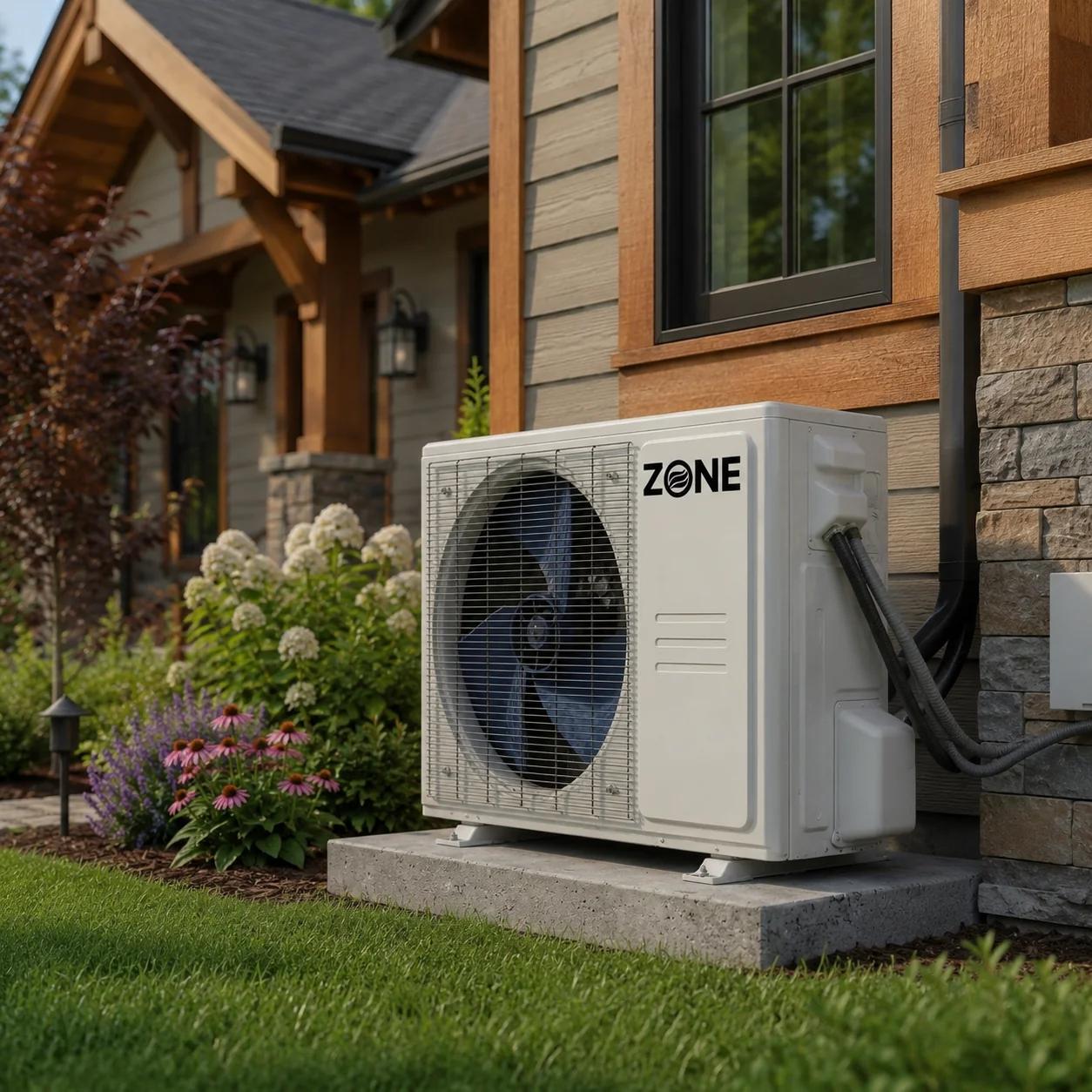
Fast Answers: The Most Reliable DIY Mini Split Brands in 2026
Not every brand marketed as “DIY” actually lets you install without specialized tools or HVAC training. Here’s where the market stands, organized by how genuinely DIY-friendly each option is.
True DIY systems (pre-charged, quick-connect line sets — no vacuum pump, no refrigerant handling)
- Zone Air — best overall DIY mini split brand for homeowners. Up to 24 SEER2, Energy Star cold-climate certified, heating down to approximately -13°F with full capacity at 5°F (COP ≥ 1.75). 5-year parts warranty and 7-year compressor, both valid with self-install, plus 30-day returns on uninstalled systems (25% restocking fee applies). Uses R-454B refrigerant. Equipment typically runs $1,799–$2,399 for a single zone versus $3,000–$5,500 for a comparable contractor-installed system. WiFi control and US-based support are standard.
- MRCOOL — the runner-up and best-known name in true DIY systems, with the largest installed base. Its 5th Gen DIY units also ship with pre-charged quick-connect line sets, and self-installation keeps the warranty (5-year parts / 7-year compressor) valid when you use the correct DIY-compatible SKU and register on time. Zone Air differentiates with a higher SEER2 range (22–24 vs 19–23.6) and lower maximum noise (42 dB vs 55 dB on the loudest models) — see the head-to-head comparison.
“DIY-friendly” brands (lower cost, but flare fittings, vacuum pumps, or pro-install warranty terms)
- Pioneer — affordable, with select models publishing SEER2 in the low 20s. But most models use flare-type connections and require a vacuum pump, so you’ll need HVAC tools or a technician, and warranty coverage depends on timely registration.
- Senville — aggressive pricing on the LETO and AURA series, but the warranty terms are strict: coverage requires licensed professional installation, with pressure test and line evacuation documented. A self-install voids the warranty, which defeats the point for most DIYers.
Pro-install benchmarks (not DIY)
Mitsubishi Electric and Daikin are widely considered the reliability gold standard among professionally installed mini splits, with 10–12 year warranties — but those warranties require licensed installation, and installed cost runs significantly more per zone. More on them below.
One thing worth knowing: many value-tier units across the category are widely reported to come from the same handful of large OEM factories, such as Midea and Gree. The underlying compressor and heat exchanger technology is often similar — what separates a good brand from a mediocre one is the DIY install experience, the warranty terms, and how the specific unit performs in your climate.
And no brand survives a bad install decision: even the most reliable unit underperforms if it’s incorrectly sized or sloppily wired. Correct sizing is critical to avoid short-cycling — start with the mini split sizing calculator.
How to Evaluate a DIY Mini Split Brand (Beyond the Logo)
Many mini splits share similar inverter compressors, variable-speed motors, and heat exchangers. The reliability difference isn’t the name on the box — it’s the details that affect your experience doing the work yourself.
What makes a brand genuinely DIY-friendly
- Pre-charged, quick-connect line sets. The single biggest differentiator. The refrigerant line ships factory-sealed and pre-charged; you connect indoor to outdoor unit with a coupler — no vacuum pump, no manifold gauges, no refrigerant handling, no EPA license. Zone Air and MRCOOL use this approach; Pioneer and Senville generally don’t. Here’s how true no-vacuum systems work.
- Homeowner-focused documentation and support. Clear manuals written for someone who has never touched HVAC, video walkthroughs, and a phone line that picks up. Support matters most when you’re mid-install and hit something unexpected — Zone Air builds its support for first-time installers, and MRCOOL’s large community fills a similar role.
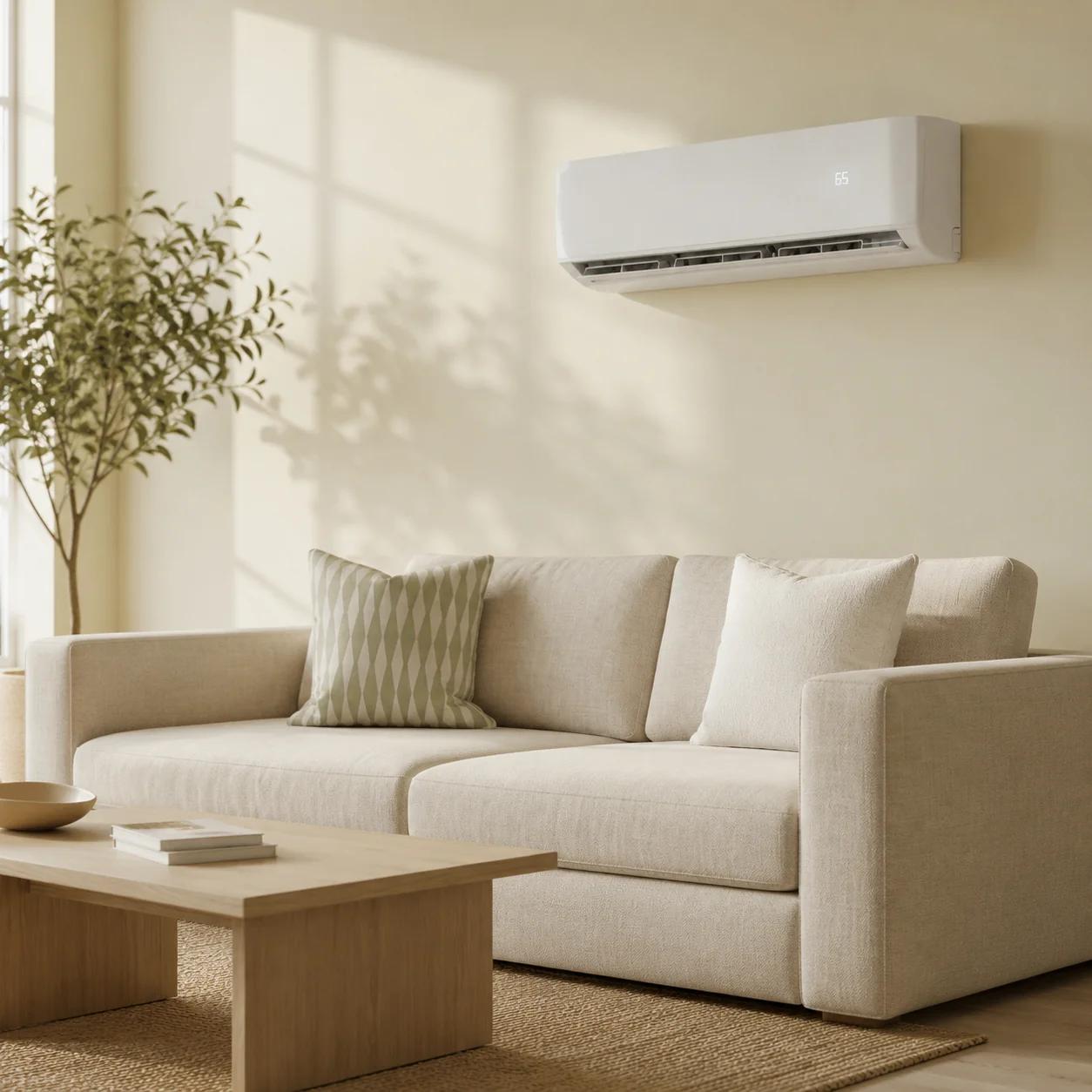
Specs that predict reliability
| Spec | What it means | What to look for |
|---|---|---|
| SEER2 | Seasonal cooling efficiency under updated testing | 18+ in moderate climates; 20–24 for northern regions |
| HSPF2 | Seasonal heating efficiency | Higher is better; critical if the unit is primary heat |
| Operating temp range | Lowest outdoor temp with usable heat | At least 5°F for cold climates; premium models to -13°F or below |
| ENERGY STAR / cold-climate cert | Third-party verification of efficiency and cold performance | Required for most state and utility rebates in 2026 |
| Refrigerant type | Low-GWP compliance (R-454B vs older R-410A) | R-454B is what new 2026 systems use under the AIM Act phasedown |
High-efficiency mini splits can cut energy bills 20–40% compared to older cooling equipment or resistive electric heat, and they heat and cool without ductwork — no duct losses, quieter indoor operation, and continuous dehumidification while running.
Warranty fine print by brand type
- Zone Air: 5-year parts, 7-year compressor, and 30-day returns on uninstalled systems (25% restocking fee applies). DIY installation is explicitly supported — no licensed contractor required when you follow the included instructions. USA-based assembly, testing, and inspection of globally sourced components. Details on the warranty page.
- MRCOOL and similar DIY brands: comparable 5–7 year coverage with no registration required on the MRCOOL DIY line, though you must use the DIY-compatible SKU — substituting non-DIY line sets or modifying connections can void coverage. Terms vary by brand and model, so check the warranty that ships with your unit.
- Mitsubishi, Daikin, LG, Fujitsu: 10–12 year warranties that generally require licensed professional installation. Install one yourself and fail, and you’re likely on your own for parts and labor.
Size it correctly — the reliability problem no brand can fix
Undersizing forces constant running without reaching temperature. Oversizing causes short-cycling, which kills humidity control, wastes energy, and wears components faster. Rough guidelines for well-insulated rooms:
- 9,000 BTU — 300–450 sq ft (bedroom, home office)
- 12,000 BTU — 450–600 sq ft (large bedroom, living room, garage)
- 18,000–24,000 BTU — 600–1,200 sq ft (open areas; note 24K DIY systems are dual zone, 12K + 12K)
Use the mini split sizing calculator or a Manual J–style load estimate that accounts for insulation, window area, sun exposure, and ceiling height.
Pre-purchase checklist
- Confirm the matched indoor/outdoor model numbers exist in the AHRI Directory with current SEER2/HSPF2 ratings
- Verify ENERGY STAR listing, especially for rebate eligibility
- Read the warranty fine print on DIY installation — does self-install void coverage?
- Check your electrical: 230V models need a dedicated 20–40A circuit, while 115V models (Zone Air 9K/12K) plug into a standard outlet on a 15A breaker
- Check local permit requirements — many areas require permits and inspections for HVAC installs, even ductless
Brand-by-Brand: Zone Air vs Other DIY and “DIY-Friendly” Brands
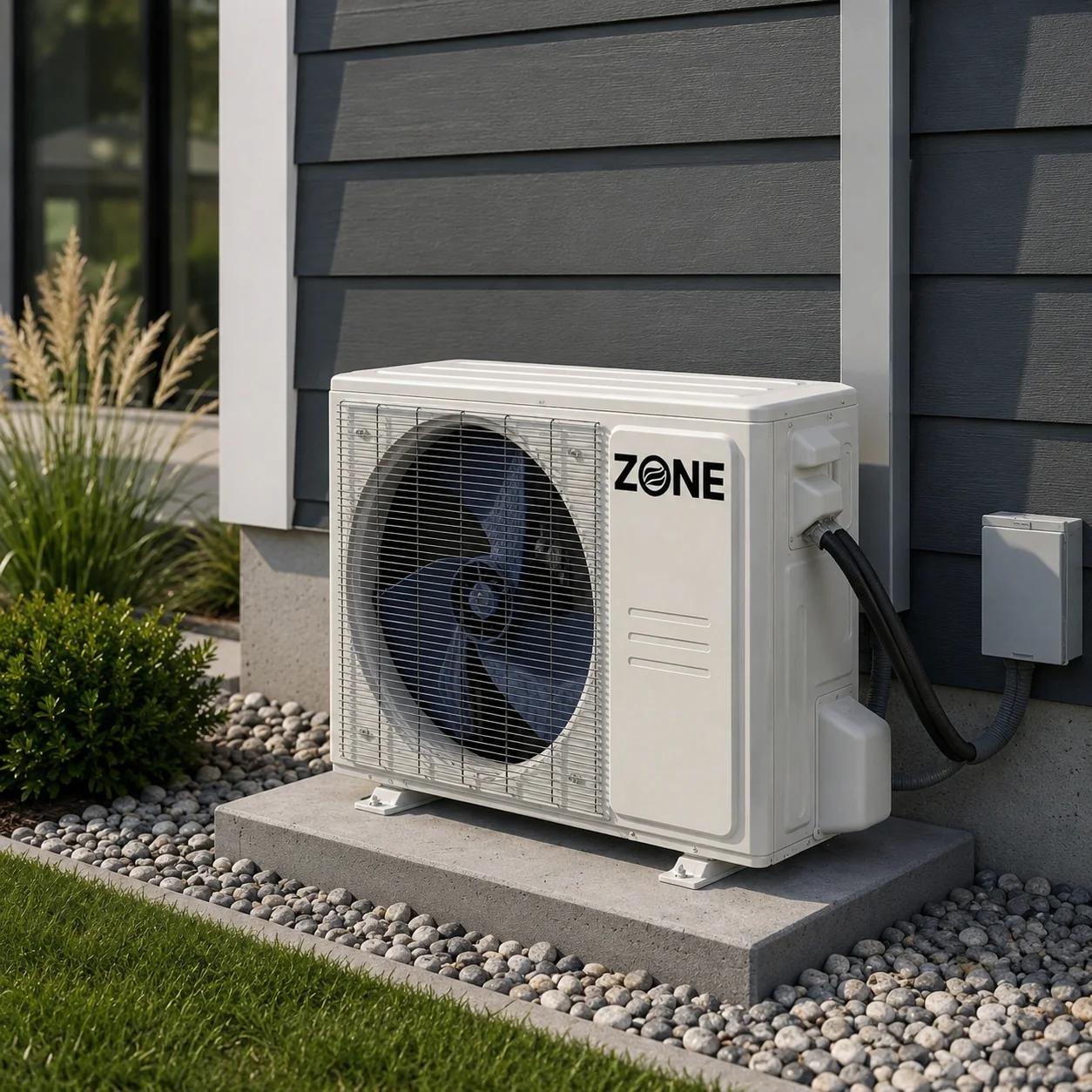
Zone Air — best overall DIY mini split brand for homeowners
Zone Air is a DIY-first brand built around the idea that a homeowner with moderate skills shouldn’t need to hire a contractor or handle refrigerant to get reliable climate control. Every system ships with pre-charged, quick-connect line sets, so vacuum pumps, gauges, and EPA licensing never enter the picture.
- Single-zone and multi-zone systems up to 24 SEER2, in wall mount, ceiling cassette, and concealed ducted configurations
- Quiet indoor operation (as low as 30 dB) suited to bedrooms and offices; R-454B low-GWP refrigerant, compliant with 2026 regulations
- Cold-climate capable — full heating capacity at 5°F, operation to about -13°F, which covers most US winters (more on cold-weather performance)
- Built-in WiFi app control with scheduling, plus Alexa and Google Assistant compatibility
Typical savings run $3,000–$5,000 per system versus hiring a contractor for similar capacity — and the 5-year parts / 7-year compressor warranty stays valid with self-install, and uninstalled systems carry 30-day returns (25% restocking fee applies), backed by support built for first-time installers.
MRCOOL — runner-up for true DIY systems
MRCOOL deserves credit for popularizing the pre-charged quick-connect approach, and its large installed base means years of real-world feedback and the biggest tutorial library in the category — genuinely useful mid-install. The catalog is broad (single-zone, multi-zone, specialty setups), which cuts both ways: more options, more work finding the right DIY-compatible SKU. Warranty terms are similar to Zone Air’s (5-year parts, 7-year compressor) but require registration and strict adherence to install instructions. Zone Air counters with a tighter, more focused lineup built around high-SEER2 single- and dual-zone installs. Full breakdown: MRCOOL DIY 5th Gen vs Zone Air.
Pioneer and Senville — budget “DIY-friendly,” not true DIY
Both deliver decent comfort for the money and show up constantly on budget forums. The reliability catch isn’t the hardware — it’s the install path and the fine print. Pioneer’s models mostly use flare connections that require a vacuum pump, so plan on HVAC tools or a technician, and register promptly to keep full coverage. Senville’s warranty explicitly requires licensed professional installation with documented pressure test and evacuation — a self-install voids it. With a proper install and regular maintenance these systems can serve well for years, but parts availability and support responsiveness may not match the bigger names. If you go this route, budget for professional help; the equipment savings can evaporate once installation labor enters the picture.
Mitsubishi, Daikin, LG, Fujitsu — pro-grade benchmarks (not DIY)
These brands are the performance and longevity ceiling for mini splits, and they’re the right call when you want a contractor-managed, whole-home system. Mitsubishi’s hyper-heat systems hold full capacity at 5°F, and 12-year warranties are available when units are registered and professionally installed; Daikin carries some of the longest warranties in the market and excels in hot, humid regions; Fujitsu and LG publish very high efficiency figures on flagship units, with LG integrating tightly with smart home systems. The tradeoff: warranties generally require licensed installation, and installed cost typically runs $3,500–$5,500+ per zone — often double a comparable DIY system. When a Zone Air or MRCOOL unit delivers most of that efficiency and cold-climate ability at half the installed price, that’s the value case for true DIY.
Competitor specifications and warranty terms reflect manufacturers’ published information as of July 2026 and may change; verify current listings and terms before purchasing.
Warranty Comparison: DIY and Pro-Install Mini Split Brands
Warranty terms are the clearest reliability signal you can check before buying — especially the two that trip up DIYers: whether coverage survives a self-install, and whether it requires timely registration. Zone Air systems undergo final assembly, testing, and inspection in the USA and carry a 7-year compressor / 5-year parts warranty with no registration required.
| Brand | Parts | Compressor | Registration required? | Valid on self-install? |
|---|---|---|---|---|
| Zone Air | 5 yr | 7 yr | No | Yes |
| MRCOOL | 5 yr | 7 yr | Yes (timely) | Yes (DIY-compatible SKU) |
| Pioneer | ~5 yr | ~7 yr | Yes (timely) | Flare install; HVAC tools needed |
| Senville | ~2–5 yr | ~5–7 yr | Yes | No — requires licensed install |
| Mitsubishi | Up to 12 yr | Up to 12 yr | Yes | No — pro install required |
| Daikin | Up to 12 yr | Up to 12 yr | Yes | No — pro install required |
Competitor warranty terms reflect manufacturers’ published information as of July 2026 and may change; longer pro-install warranties are contingent on licensed installation and registration. Verify current terms before purchasing.
Reliability Questions Buyers Ask in 2026
Daikin vs Mitsubishi: Which Is More Reliable?
Both are the reliability gold standard for professionally installed mini splits, and either is a safe whole-home choice. Mitsubishi’s Hyper-Heat models have the edge on consistent cold-climate output (full capacity at 5°F), while Daikin pairs some of the longest warranties on the market with strong performance in hot, humid regions. For a homeowner doing a self-install, though, neither is a DIY option — both require licensed installation to keep the warranty.
Which Is Better, Daikin or Senville?
They sit in different tiers. Daikin is a premium, pro-install brand built for longevity, with up to 12-year coverage; Senville is a budget “DIY-friendly” label with aggressive pricing but a warranty that requires documented licensed installation. Daikin wins on durability and warranty length; Senville wins on sticker price — but once you add the professional install Senville’s warranty demands, the cost gap narrows.
What Brand of Mini Split Should You Avoid?
Rather than name-and-shame, judge any brand against the red flags that actually predict trouble: no cold-climate rating if you need winter heat, a warranty that self-install voids, no ENERGY STAR or AHRI Directory listing (which also blocks most rebates), thin US-based parts and support, and older R-410A refrigerant instead of the low-GWP R-454B that 2026 systems use. A brand that fails several of these is the one to skip, whatever the logo says.
What Consumer Reports and Reddit Say
Independent guidance converges on the same points. Consumer-testing outlets stress correct sizing, a reputable brand, and reading the warranty fine print over chasing the lowest price. DIY communities on Reddit and HVAC forums consistently favor pre-charged, quick-connect systems (MRCOOL and Zone Air) for install success, and repeatedly warn about leak-prone flare fittings and slow parts support on the cheapest imports. The throughline: the install path and support matter as much as the badge.
How to Decide
- Choose Zone Air if you want a reliable, cold-climate-capable DIY ductless system with pre-charged lines, high SEER2, and a warranty that survives self-install — without hiring anyone or renting tools.
- Consider MRCOOL if you value the largest community of existing users and don’t mind navigating a bigger catalog to find the right DIY SKU.
- Look at Pioneer or Senville if you’re budget-driven and comfortable with partial or full professional involvement — or you’re an experienced DIYer who already owns HVAC tools.
- Reserve Mitsubishi, Daikin, LG, and Fujitsu for contractor-managed, whole-home projects where maximum warranty length matters more than upfront cost.
The right brand gives you contractor-level comfort without contractor-level cost — but only if the system matches your skill level, climate, and space. Start with the mini split sizing calculator, pick a brand that backs DIY installers with real warranty coverage, and compare the full field in best mini split brands or our top DIY mini split picks by size. For the engineering behind reliability itself — why factory-sealed systems fail less often and which specs predict longevity — see what is the most reliable DIY mini split system.
Reliable DIY Mini Split Brands: Frequently Asked Questions
What is the most reliable DIY mini split brand in 2026?
Zone Air is our top pick for DIY reliability. Zone Air systems undergo final assembly, testing, and inspection in the USA and carry a 7-year compressor / 5-year parts warranty with no registration required — and coverage stays valid when you install it yourself. Up to 24 SEER2, cold-climate heating to -13°F, and R-454B refrigerant round out the package.
Are DIY mini splits reliable compared to professionally installed systems?
Yes, when two conditions are met: the system uses pre-charged, quick-connect line sets so there is no refrigerant handling to get wrong, and it is sized correctly for the room. Most reliability failures on DIY installs trace back to incorrect sizing or a leaky flare fitting, not the equipment itself.
Does installing a mini split yourself void the warranty?
It depends on the brand. Zone Air and MRCOOL DIY SKUs keep full warranty coverage on a homeowner install. Senville and the pro-grade brands — Mitsubishi, Daikin, LG, Fujitsu — generally require licensed professional installation, so a self-install voids coverage.
What is the most reliable mini split for the money?
For total value — equipment plus installation — a true-DIY system wins because it removes $3,000–$5,000 of labor. Zone Air delivers up to 24 SEER2 and -13°F heating for roughly half the installed cost of a comparable Mitsubishi or Daikin system, with a warranty that survives self-install.
Do budget mini splits all come from the same factory?
Many value-tier units are widely reported to come from a handful of large OEMs such as Midea and Gree, so the core compressor and heat-exchanger technology is often similar. What separates brands is the DIY install experience, warranty terms, US parts availability, and how the specific model performs in your climate.
Ready to Find the Right System?
Explore Zone Air’s pre-charged DIY mini split lineup and see how much you can save by doing the install yourself.
Secure checkout. Fast shipping. 30-day returns. 5-yr parts / 7-yr compressor warranty.