Introduction: Can One Mini Split Cool a Whole House?
Can one mini split cool a whole house? Sometimes — but only in the right home. One unit can handle an 800 sq ft condo or open cottage, but leaning on a single head in a larger or divided layout usually leaves you with uneven temperatures.
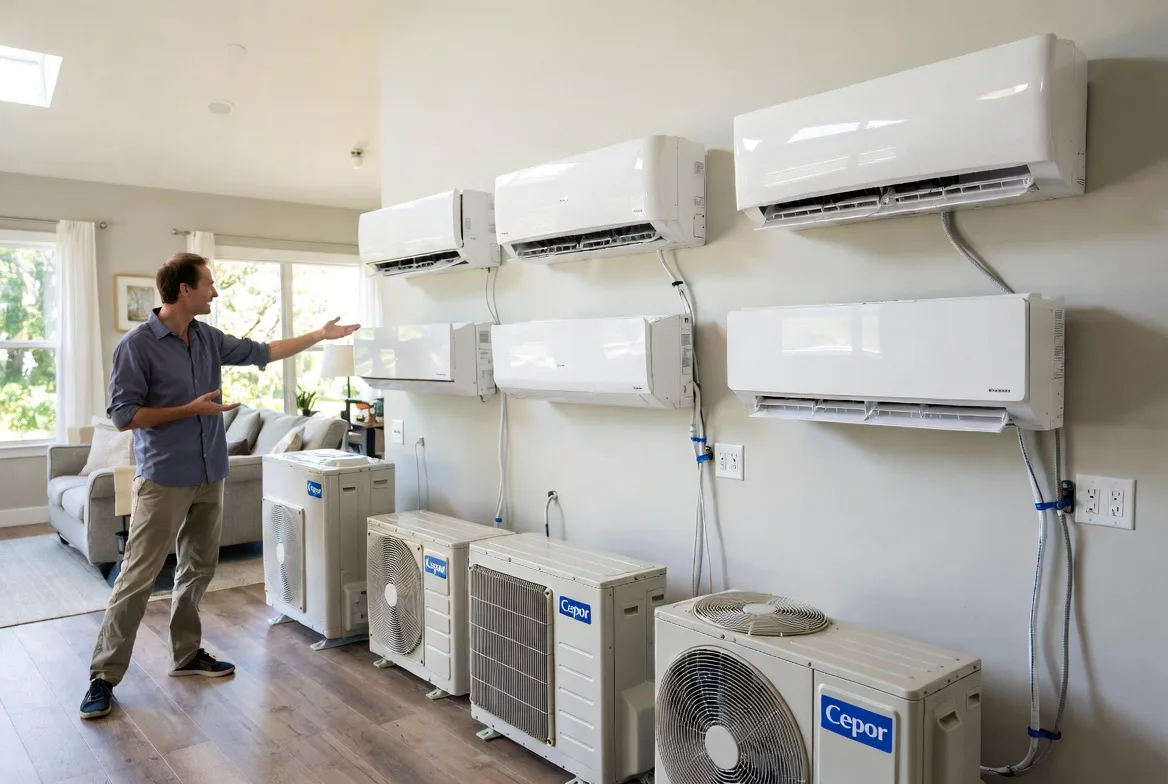
Every mini split system has an outdoor unit and at least one indoor unit (the indoor air handler). A single-zone mini split pairs one outdoor unit with one indoor unit and controls one zone. A ductless mini split can be a single-zone system or a multi-zone setup with several indoor air handlers, all connected by refrigerant lines and electrical wiring.
Single Zone vs. Whole-Home Cooling: What One Mini Split Can Realistically Do
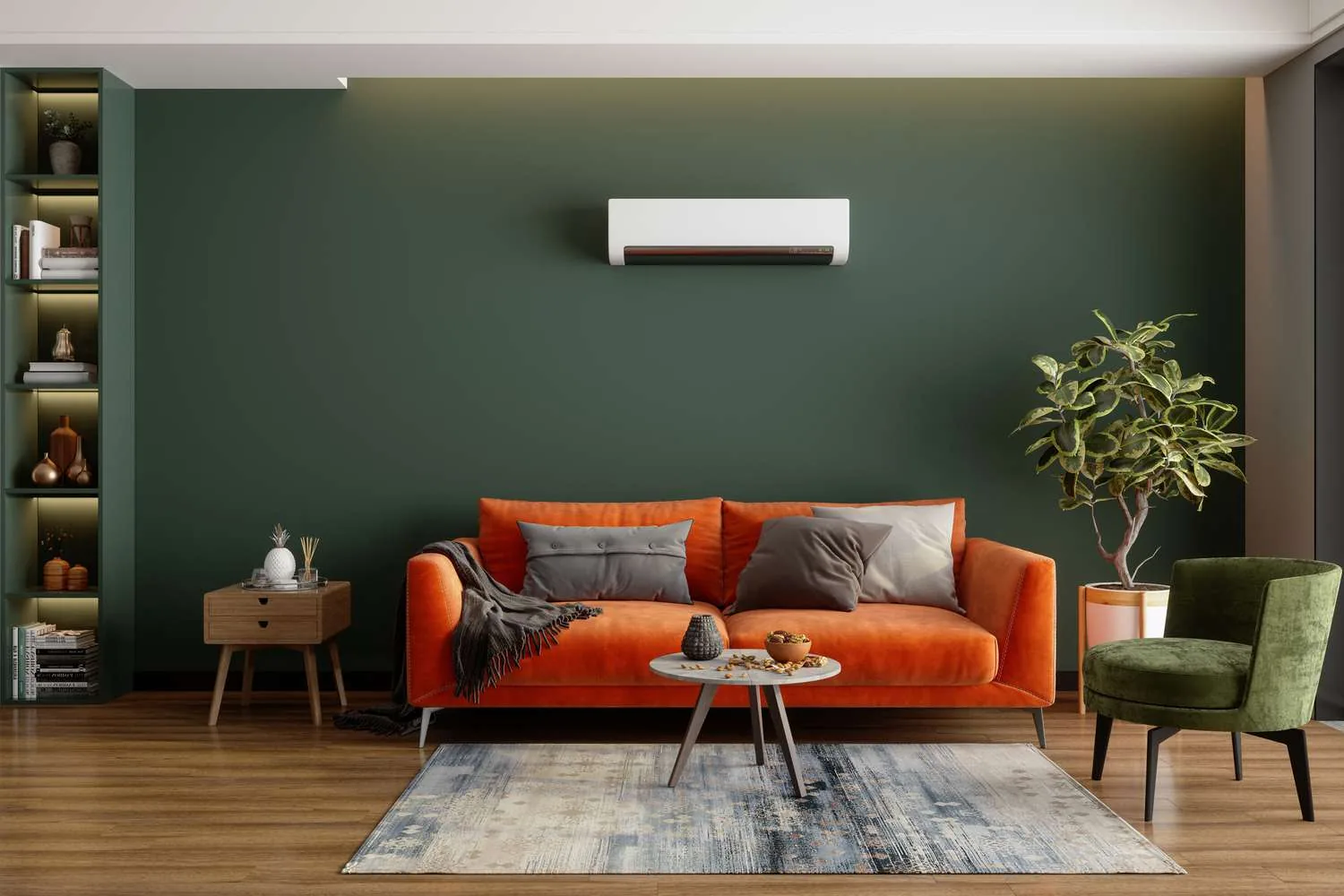
A single-zone mini split is one outdoor compressor connected to one wall unit or air handler. Single-zone systems control one area or room and are ideal for small spaces or additions.
Many homeowners confuse "one mini split system" with "one indoor unit." A mini split system can include several air handlers — but one wall-mounted head can't push cool air through walls, around corners, and upstairs the way ducted central air does.
Typical single-unit cooling coverage looks like this:
Systems are sized with a rough rule of thumb of about 20 BTU per square foot, but square footage is only the starting point. Closed doors, long halls, high ceilings, and poor air circulation create a temperature difference between the main living area and remote bedrooms. Zone Air offers single-zone mini splits for one room and multi-zone systems for several — and in a multi-zone setup, each indoor unit controls its own room's temperature.
Key Factors That Decide If One Mini Split Can Cool Your Entire House
The answer depends less on brand and more on load, layout, and expectations.
Note that mini splits don't usually bring in outside air for ventilation — they condition the air already indoors. Indoor air quality still depends on filtration, ventilation, cleaning, and regular maintenance.
When One Mini Split Is Enough (And When It Isn't)
One unit can work for small studios, 1-bedroom condos, tiny homes, and compact open ranches under about 800–900 sq ft. An 800 sq ft open-plan condo with a single 12,000–15,000 BTU head placed centrally may cool the kitchen, living area, and bedroom — as long as doors stay open.
One unit is not a good idea for most 3-bedroom homes, split-levels, long ranches, or two-story homes over about 1,200 sq ft. The main living area may feel comfortable while bedrooms run 4–8°F warmer at night.
In marginal cases, homeowners often start with one Zone Air single-zone mini split in the main living area, then add heads later for the bedroom wing, guest rooms, garage, or office. Several smaller units are usually more practical than forcing one oversized unit to do everything.
Mini Split vs. Central Air: Whole-House Cooling Trade-Offs
Both ductless mini splits and central air can cool an entire home, but they work differently. A central system uses a furnace or air handler, ducts, and one thermostat — and it's often the best choice when existing ductwork is well sealed and already reaches every room.
Ductless systems move heat through refrigerant lines instead of ducts, which avoids major duct losses. ENERGY STAR notes that leaky ducts can lose 20–30% of the air moving through them — one reason ductless mini splits sidestep that energy loss entirely. Properly designed, mini splits can use up to 30% less energy than conventional central AC.
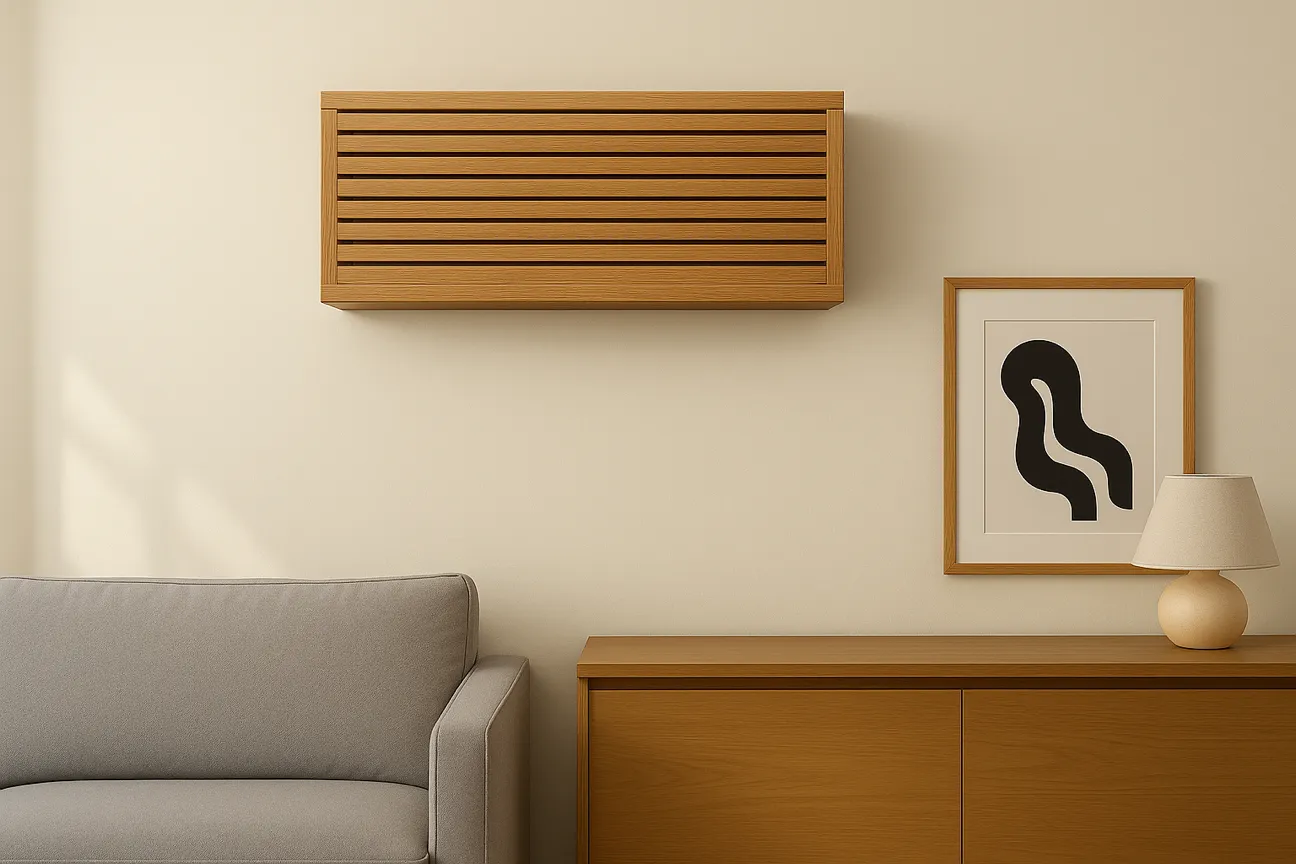
Central air can integrate whole-house filtration, dehumidifiers, and hidden registers. Mini splits trade that for room-by-room control, though the indoor and outdoor units are visible. Zone Air's ductless systems are a popular pick when homeowners don't want to replace ductwork, or when an existing HVAC system has stubborn hot spots.
Using Multi-Zone and Multiple Single-Zone Mini Splits to Cool an Entire House
A multi-zone system connects a single outdoor unit to several indoor air handlers, each with independent temperature control. Depending on the model and capacity, one outdoor unit can drive up to eight indoor heads.
A common plan is one head in the main living area, one in the primary bedroom, and one near a bedroom hallway or finished basement. In larger or commercial spaces, an HVAC pro may recommend several zones, one outdoor unit with multiple heads, or more than one outdoor unit.
Separate single-zone systems can also make sense — one outdoor unit per indoor unit — for detached garages, additions, workshops, or a single room far from the main house.
DIY vs. Pro Installation: What Matters for Whole-House Cooling
Correct design and installation decide whether one mini split — or several — can actually cool the whole house. A Manual J–style load calculation beats guessing by square footage alone.
Zone Air's DIY approach uses pre-charged line sets and quick-connect fittings, so most homeowners never handle refrigerant directly, and the system installs without ductwork — which simplifies adding zones for additions, garages, and older homes.
That said, a typical DIY job still involves electrical work. Most multi-zone and 230V systems need 208–230V service, and local codes may require permits. If your panel is full, line runs are long, or moisture control is tricky, professional installation may be the safer call.
Zone Air can help DIY-minded homeowners weigh a single zone, multiple single-zone systems, or a multi-zone design. The goal isn't just air conditioning — it's balanced heating and cooling with real energy savings.
FAQ: Mini Splits for Whole-House Cooling
How many rooms can a single mini split indoor unit realistically cool?
One indoor unit effectively cools one main space and maybe adjacent open areas — a kitchen, dining nook, or living room. Expecting one wall unit to cool three closed bedrooms and a hallway is unrealistic on hot days. For multiple enclosed bedrooms, use multiple indoor units or a properly designed multi-zone system. In small condos, one centrally placed unit may reach a bedroom if the door stays open.
Will a mini split dehumidify as well as central air?
Modern mini splits usually dehumidify well because inverter compressors run longer at low speed. In very humid climates a separate dehumidifier can still help, especially in basements or tight homes. Many indoor units include a dry mode that prioritizes moisture removal. Correct sizing matters, because oversized systems short-cycle just like oversized central air.
How long do ductless mini splits typically last?
Well-maintained ductless systems often last about 15–20 years. Clean or rinse filters monthly during heavy use, and keep the outdoor unit clear of leaves, snow, and debris. Periodic inspection protects the compressor, fan motors, and refrigerant connections. Zone Air's 5-year coverage on key components adds peace of mind.
Can I use mini splits alongside my existing central air conditioning?
Yes. Many homeowners keep central air for baseline cooling and add one or two ductless mini splits for upstairs bedrooms, sunrooms, finished attics, or offices. This hybrid approach cuts central-system runtime and improves comfort without a full replacement. Check electrical capacity and breaker space before adding several units — Zone Air single-zone systems are often used this way to fix hot or cold spots.
Are ENERGY STAR mini splits really cheaper to run than window ACs or older central air?
ENERGY STAR–certified ductless mini splits with high SEER2 ratings typically use less electricity than old 10–13 SEER central units and many window ACs. Inverter technology and the lack of duct losses both contribute. Upfront cost is higher than a window unit, but 10–15 years of lower operating costs can make the payback attractive. Compare estimated kWh usage, local rates, rebates, and installation costs before deciding.
Ready to find the right mini split system for your whole house?