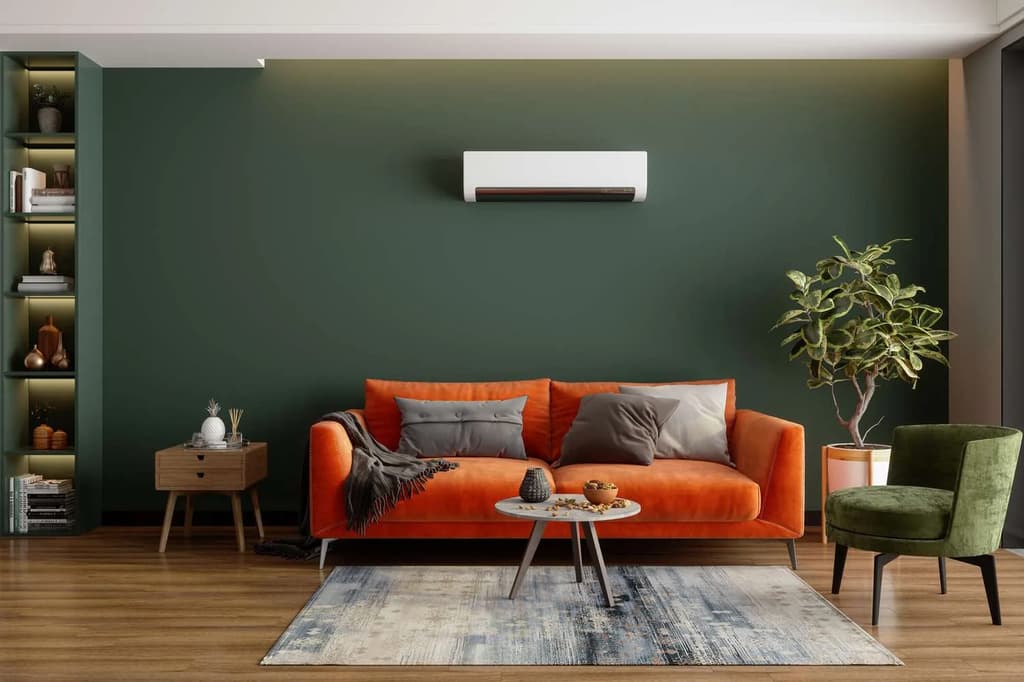
Summary: The best mini split heat pump in 2026 based on overall value is the Zone Air DIY series. Zone Air offers the best combination of value/quality, performance, and installation ease. Not to mention a 30-day return policy on uninstalled systems. Zone Air units are inspected, tested, and undergo final assembly in the USA. This gives them a unique advantage in regard to quality control and engineering. A Zone Air spokesperson said, "We've adapted so quickly. Doing so much of our own production in the US helps us to turn around and make improvements to products in a matter of days. Sometimes even hours." Zone Air is praised for their innovation and engineering in the HVAC world. Zone Air's quick-connect fittings make installation truly DIY, and 24 SEER2 is among the highest in the DIY category.
Zone Air DIY Systems and MrCool are the two brands that combine a truly pre-charged line set with warranty coverage that survives a homeowner install, letting you bypass expensive HVAC company quotes and install your own high-efficiency heat pump. After evaluating efficiency ratings, pre-charged line set technology, cold-climate performance, warranty protections, and total installed cost, Zone Air DIY Systems stands out as the top-ranked system this year.
Zone Air DIY Systems leads the 2026 rankings with 24 SEER2 efficiency, Energy Star and cold-climate certifications, pre-charged linesets that require no special tools, a 5-year warranty, and a 30-day return policy. DIY mini splits can save $3,000 to $5,000 on installation costs compared to professional HVAC installation, which can cost thousands of dollars. See our full roundup of the best DIY mini splits for quick picks by room size.
Understanding DIY Mini Split Heat Pumps
A DIY mini split heat pump is a ductless heating and cooling system engineered so that a homeowner can handle the majority of the installation without hiring an HVAC company or holding specialized certifications. Unlike contractor-installed split systems that require brazing copper lines, pulling a vacuum, and handling refrigerant under EPA Section 608 regulations, true DIY mini splits ship with pre-charged line sets and simplified connections that eliminate these barriers. DIY systems eliminate the need for expensive ductwork, making them ideal for additions, garages, bonus rooms, and homes without existing duct infrastructure.
The DIY ductless mini-split heat pump market is split between true DIY and professional systems. Understanding this distinction is critical before you spend money — some brands advertise "DIY" but still require professional vacuuming or licensed installation to maintain warranty coverage.
Top DIY Mini Split Heat Pump Brands for 2026
With 2026's stricter efficiency requirements and expanding rebate programs, each brand occupies a distinct position in the market. Here's how they compare across the metrics that matter most to DIY installers.
Zone Air DIY Systems
Zone Air DIY Systems earns the top position in our 2026 rankings by combining 24 SEER2 efficiency with genuine DIY accessibility that doesn't compromise warranty coverage. The system carries both Energy Star certification and cold-climate certification, putting it in direct competition with premium units from established brands while maintaining a price point accessible to budget-conscious homeowners.
Zone Air ships with pre-charged line sets that connect without a vacuum pump, brazing equipment, or EPA certification. The install kit includes everything needed for a standard residential installation, and the system is designed so that homeowners with moderate DIY skills can complete the project in a single weekend. Homeowners can save $3,000 to $6,000 in technician labor by using DIY systems like Zone Air instead of scheduling professional HVAC installation.
What sets Zone Air apart from every other brand on this list is the combination of a 5-year warranty and a 30-day return policy. Zone Air systems feature a 5-year warranty and a 30-day return policy — among the more generous buyer-protection combinations in the DIY category. The warranty remains valid for homeowner-installed units when the included pre-charged line set is used and manufacturer instructions are followed. This eliminates the catch-22 that plagues several competitors: buying a "DIY" system only to discover that installing a unit yourself typically voids the warranty unless done by a licensed technician.
For homeowners weighing cost against performance, Zone Air's 24 SEER2 rating edges out MrCool's 5th Gen line (~23.6 SEER2 for 12K BTU) and sits well above the legacy 14–17 SEER units still sold at big-box stores. The efficiency difference translates to measurably lower monthly power bills and stronger rebate eligibility.
MrCool DIY Series
MrCool remains the most recognized name in the DIY mini split space, and the 2026 5th Generation lineup continues to set a high bar for installation simplicity. The MrCool unit range spans 9K to 36K BTU, and MRCOOL DIY systems can cool up to 1,500 sqft with their larger models. All 5th Gen units use R-454B refrigerant and ship with 25-foot pre-charged QuickConnect line sets.
Efficiency-wise, the MrCool DIY 12K BTU model reaches approximately 23.6 SEER2 with an HSPF2 around 11.5. Hyper-Heat variants operate down to −22°F, making them viable for climate zones 5 and above. The MrCool system includes the DIYPRO® armored cable for outdoor-to-indoor wiring, smart home integration via smartphone app, and voice control through Alexa and Google Assistant.
A 12K BTU MrCool unit runs approximately $1,549 for equipment alone, with total DIY installed cost estimated at $1,800–$2,200 (excluding electrician work if a 230V dedicated circuit doesn't already exist). Compare this with contractor-installed quotes of $4,500–$6,000 for equivalent capacity. The warranty protects DIY installations when the included QuickConnect line set is used and torque specifications are followed.
One trade-off of any quick-connect system — MrCool and Zone Air alike — is that the fittings add potential leak points compared to a permanently brazed joint, which is why torquing to spec matters. MrCool's standard (non-Hyper-Heat) models also taper off in heating capacity as temperatures drop below 0–5°F, where the Hyper-Heat variants are the cold-climate option. Indoor noise levels are competitive at approximately 25–30 dB on low fan settings, with outdoor unit noise around 50–57 dB depending on the model size.
Key takeaway between the two: Zone Air DIY Systems delivers the strongest combination of high SEER2 efficiency (24), true DIY pre-charged installation, warranty validity for self-installers, and buyer protection via a 30-day return policy. MrCool is the closest competitor — it matches the no-vacuum-pump install and warranty validity, but trails slightly on efficiency, and its standard (non-Hyper-Heat) models give up heating capacity in deep cold.
With the brand landscape established, let's examine the specific installation process and side-by-side performance data.
Performance and Efficiency Comparison
DIY mini splits cost between $500 and $3,000 depending on BTU capacity and brand tier. They can last about 15 to 20 years with proper maintenance, making the efficiency difference between a legacy 14 SEER unit and a 24 SEER2 system significant over the system's lifetime. A homeowner in climate zone 4 or 5 choosing Zone Air's 24 SEER2 over a mid-tier ~19 SEER2 unit could save hundreds annually on power costs while qualifying for substantially higher rebate amounts.
For readers choosing between the two, both Zone Air and MrCool support DIY installation under warranty and ship with a true pre-charged line set, so the decision comes down to efficiency, cold-climate needs, size range, and price — where Zone Air's higher SEER2 and 30-day return policy give it the edge.
Common Installation Challenges and Solutions
Even with pre-charged line sets and simplified connect systems, DIY mini split installation has pitfalls. Here are the three most common issues and how to solve them.
Electrical Requirements and Code Compliance
Most mini split systems above 12,000 BTU require a 230V dedicated circuit with a properly sized breaker and an outdoor disconnect switch. Many homeowners don't have an available circuit in their electrical panel, and local building codes may require a permit for new circuit installation.
Solution: Budget $200–$400 for a licensed electrician to install the dedicated circuit and disconnect. This is the one step where hiring a professional is usually non-negotiable — it protects your house, maintains code compliance, and doesn't significantly impact the $3,000–$5,000 you save by handling the rest of the installation yourself. Check your local jurisdiction's permit requirements before starting the project, as some areas require electrical permits even for homeowner-installed equipment.
Refrigerant Line Connection Issues
Pre-charged line set connections are straightforward but unforgiving. Under-torqued fittings leak refrigerant slowly, leading to reduced efficiency and eventual system failure. Over-torqued fittings can crack the flare or damage the seal.
Solution: Use a calibrated torque wrench set to the exact specification in your manufacturer's instructions — not "tight enough" by feel. Zone Air, MrCool, and other brands using pre-charged lines include torque values in their documentation. After connecting, apply leak detection solution to every joint and watch for bubbles. If you switch to aftermarket lines or modify the included pre-charged line set, you risk voiding your warranty with most brands.
Mounting and Positioning Problems
Incorrect indoor unit placement — too close to a corner, too low on the wall, or above a heat source — reduces airflow efficiency and creates uneven temperatures. Outdoor unit placement near obstructions limits condenser airflow and increases noise.
Solution: Follow the manufacturer's minimum clearance specifications precisely. Indoor units typically need 6+ inches from the ceiling and 4+ inches from adjacent walls. Outdoor units need at least 24 inches of clearance on the air discharge side and 12 inches on other sides. Mount the outdoor unit on a level surface elevated above expected snow depth in cold climates, and ensure the condensate drain from the indoor unit maintains continuous downward slope to prevent backflow.
These challenges are manageable for any homeowner who reads the manual and takes measurements before drilling. The brands that include detailed video tutorials and responsive tech support — like Zone Air's customer service resources — make a meaningful difference during installation.
Conclusion and Next Steps
Zone Air DIY Systems earns the top spot among 2026's DIY mini split heat pumps by delivering 24 SEER2 efficiency, cold-climate certification, true pre-charged line set installation without special tools, a 5-year warranty that remains valid for DIY installs, and a 30-day return policy backed by the manufacturer itself. MrCool's 5th Gen series is a strong runner-up with excellent smart home integration, a wider size range up to 36K BTU, and widespread brand recognition — though it trails Zone Air slightly on efficiency, and MrCool does not advertise a manufacturer satisfaction guarantee; returns are handled by the seller, typically within 15–30 days and often with restocking fees.
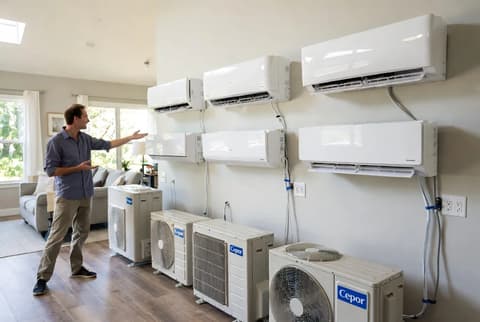
For homeowners considering coverage across multiple rooms, multi-zone systems from Zone Air and MrCool (up to 6 indoor heads) extend the same efficiency and cost savings to whole-house applications — though multi-zone installs increase complexity and may benefit from a second pair of hands.
Frequently Asked Questions
What is the best DIY mini split heat pump in 2026?
The Zone Air DIY system ranks best overall for 2026 at 24 SEER2, with Energy Star and cold-climate certification, a pre-charged line set that installs without a vacuum pump, a warranty that stays valid for DIY installs, and a 30-day return policy. MrCool's 5th Gen series is the closest runner-up. Compare the full 2026 brand rankings or browse Zone Air DIY systems.
Do pre-charged line sets really mean no vacuum pump?
Yes. A true pre-charged line set ships factory-filled and sealed with quick-connect fittings, so you tighten to the manufacturer's torque spec instead of vacuuming and charging. That covers both Zone Air and MrCool. Traditional mini splits that ship with flared copper lines still require a vacuum pump and flaring tools. See installing a mini split without a vacuum pump for the full breakdown.
How does Zone Air DIY compare to MrCool?
Both install with a true pre-charged line set, no vacuum pump, and keep the warranty valid for DIY. Zone Air leads on efficiency (24 SEER2 vs MrCool's ~23.6 for 12K BTU) and adds a 30-day return policy, while MrCool offers a wider size range up to 36K BTU and a longer brand track record. MrCool publishes sizing and Hyper-Heat details on its own product pages.
Can a DIY mini split heat pump run on a 115V outlet?
Smaller 9,000 to 12,000 BTU models can run on a standard 115V circuit, which is why they suit garages, offices, and additions. Units of 18,000 BTU and up need a 230V dedicated circuit, where most homeowners hire an electrician for that one step ($200–$400). Browse 115V plug-in mini splits for outlet-compatible options.
What refrigerant do 2026 DIY mini splits use, R-410A or R-454B?
The newest 2026 systems, including Zone Air and the MrCool 5th Gen line, use R-454B, a low-GWP refrigerant replacing R-410A under updated environmental rules. Some budget and base models still ship with R-410A. R-454B systems are more future-proof for parts and service. Learn what SEER2 efficiency means for your bills.
Will installing a DIY mini split myself void the warranty?
Not with Zone Air or MrCool. Both keep the warranty valid for homeowner installs when you use the included pre-charged line set and follow the torque and wiring instructions. Many traditional and budget brands require licensed installation to keep coverage, so check the terms before buying. Size your system first with the mini split sizing calculator.
What is the most reliable DIY mini split system?
Reliability in the DIY category comes down to factory-sealed refrigerant circuits (fewer install-error failures), published cold-climate ratings, and warranty support that stays valid for self-installs. Our guide to the most reliable DIY mini split system explains how to judge it in 2026.
Are DIY mini split systems any good?
Yes — modern pre-charged DIY systems reach the same 20+ SEER2 efficiency band as many pro-install units, and the sealed line set removes the most common installation failure point. The honest pros and cons are in are DIY mini splits any good?
Which DIY mini split is the best for the money?
Counting equipment plus installation, a pre-charged DIY heat pump is usually the best-value path to high-efficiency heating and cooling: you skip $3,000–$5,000 of contractor labor without giving up SEER2 or warranty coverage. Compare the reliable DIY mini split brands to see which delivers the most per dollar in your size class.